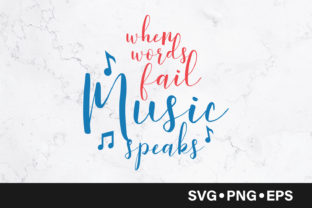
Music is What Feelings Sound Like: Graphics and Crafts for Content Creators
As a blog designer and digital publisher, I’m always on the lookout for high-quality graphic design assets that can elevate editorial content and website presentation. Music is What Feelings Sound Like stands out as a versatile and visually appealing asset that fits seamlessly into a variety of publishing workflows. Whether you're creating blog graphics, Pinterest pins, or social media visuals, this design offers a strong foundation for visual storytelling.
The First Impression: A Mood That Resonates
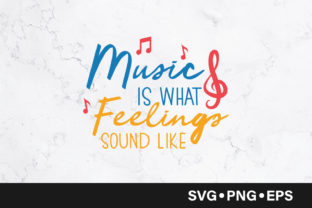
From the moment you see Music is What Feelings Sound Like, it conveys a sense of emotional depth and artistic expression. The design has a modern yet timeless feel, making it suitable for lifestyle, creative, and arts-focused content. It doesn’t scream for attention but instead invites engagement through its subtle elegance. This makes it ideal for blogs and websites targeting audiences who value creativity, music, and personal expression.
The visual mood leans toward being artistic and expressive, with a touch of warmth that can fit into both casual and professional contexts. It’s not overly bold, which means it can work in a range of design systems without clashing. Its clean lines and minimalistic approach make it adaptable to different branding styles.
Real Publishing Use Cases for Music is What Feelings Sound Like
Music is What Feelings Sound Like is a powerful tool for content creators looking to enhance their visual communication. Here are some practical use cases:
- Blog Featured Images: Use it as a hero image to draw readers in and set the tone for your article.
- Pinterest Graphics: Create eye-catching pins that stand out in a crowded feed while maintaining a cohesive aesthetic.
- Article Headers: Add a professional touch to your posts by using it as a header graphic.
- Website Banners: Incorporate it into your site’s header or section dividers to create visual interest.
- Newsletter Graphics: Enhance your email campaigns with a design that feels personal and engaging.
- Lead Magnets: Use it in downloadable resources like worksheets, checklists, or guides to increase conversions.
- Social Media Posts: Add it to your Instagram stories, Facebook posts, or Twitter threads for a polished look.
How Music is What Feelings Sound Like Boosts Content Performance
Visual hierarchy is crucial in content marketing. Music is What Feelings Sound Like helps establish a clear visual structure that guides readers through your content. Its clean design supports better click-through rates and improves the overall user experience.
It also plays a role in building reader trust. A well-designed graphic suggests professionalism and attention to detail, which can make your brand more credible. When used consistently across your website and social media, it strengthens brand identity and makes your content more recognizable.
For publishers, this asset is especially useful when creating digital products like Canva templates, printable designs, or eBook covers. It provides a consistent visual language that enhances the perceived value of your content.
Where Music is What Feelings Sound Like Shines
This graphic design asset excels in situations where visual appeal matters most. Consider using it for:
- Hero Images: Make a strong first impression on your homepage or landing pages.
- Article Thumbnails: Attract clicks with a visually compelling preview.
- Pinterest Pins: Increase engagement with high-quality, shareable visuals.
- Blog Graphics: Add a stylish element to your posts without overwhelming the text.
- Editorial Accents: Use it to highlight key points or break up long sections of text.
- Content Upgrades: Offer it as a bonus for newsletter subscribers or blog readers.
- Category Visuals: Help readers navigate your site with clear, attractive icons.
When to Use Music is What Feelings Sound Like Carefully
While Music is What Feelings Sound Like is versatile, there are scenarios where it may not be the best choice:
- Small Mobile Thumbnails: It may lose clarity when scaled down, so test it on mobile screens before use.
- Text-Heavy Blog Images: Avoid using it as a background if the text is too close or overlapping.
- Low-Contrast Backgrounds: Ensure it stands out against the background for optimal readability.
- Busy Layouts: It works best in clean, uncluttered designs to maintain its impact.
- Serious Professional Niches: For corporate or highly formal content, consider more minimalist options.
- Minimalist Visual Systems: If your brand relies on simplicity, this design might add unnecessary complexity.
Practical Publisher Notes for Using Music is What Feelings Sound Like
To get the most out of Music is What Feelings Sound Like, follow these best practices:
- Test on Different Screens: Check how it looks on desktop, tablet, and mobile devices.
- Preview in Real Layouts: Place it within your blog template to see how it interacts with other elements.
- Check Contrast and Readability: Ensure text and background have sufficient contrast for accessibility.
- Try It in Black and White: See how it performs without color to assess versatility.
- Pair with Different Fonts: Test it with serif, sans serif, script, and display fonts to find the best match.
- Optimize File Size: Compress images for faster loading times without sacrificing quality.
- Confirm Commercial License: Verify that it’s suitable for monetized websites, affiliate pages, or paid content products.
As a digital publisher, I appreciate assets that offer flexibility and polish. Music is What Feelings Sound Like delivers on both fronts, making it a valuable addition to any content creator’s toolkit. Whether you’re designing a blog post, crafting a Pinterest pin, or building a digital guide, this graphic design asset can help you achieve a more professional and engaging look.